About Lighting, Sockets & Small Works
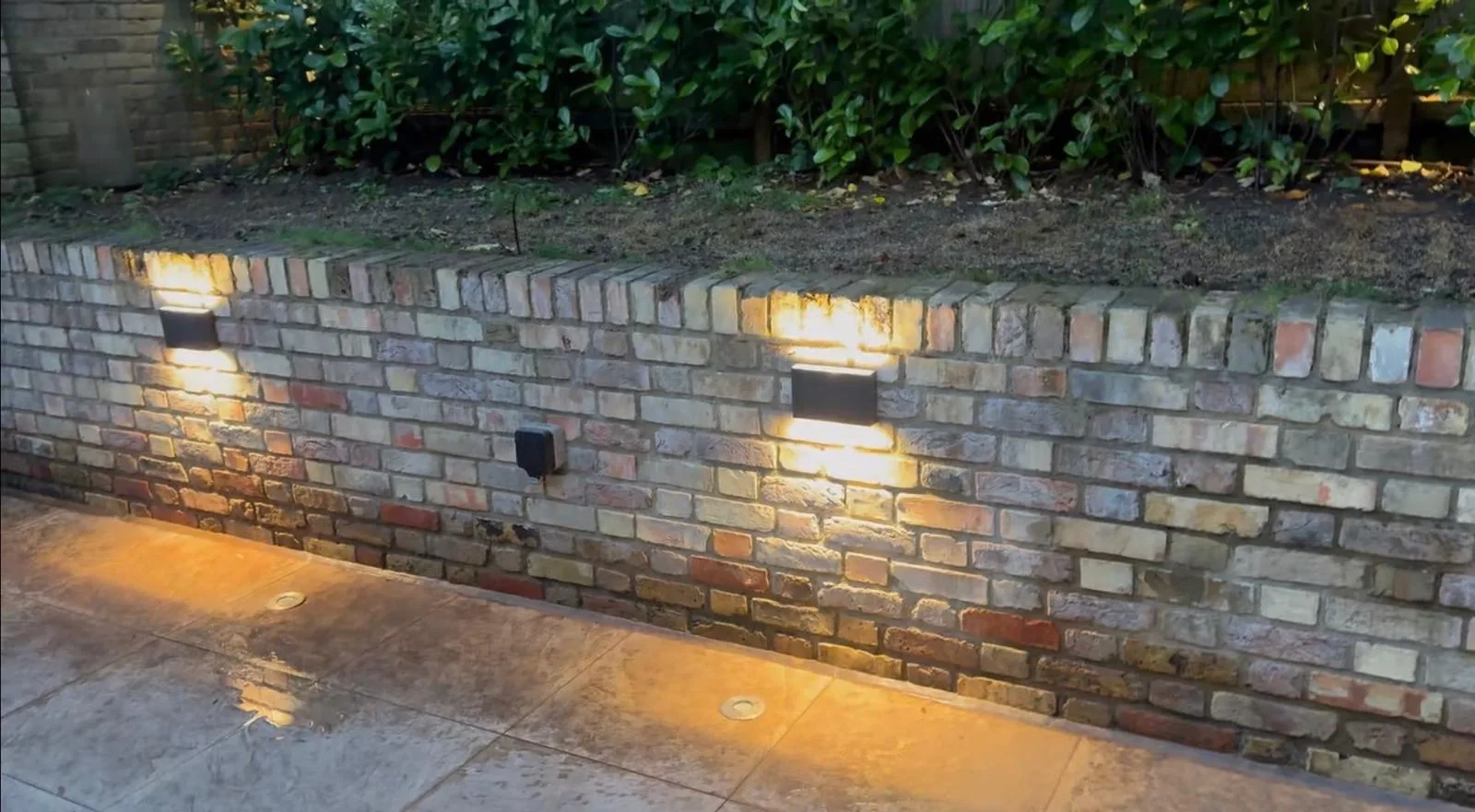
New lighting points, replacement fittings, extra sockets, switches and practical upgrades around homes and small commercial premises. Small electrical work still needs assessment of the existing circuit, protection, earthing and suitability for the proposed addition. The job is not simply a matter of attaching a new accessory.
Recent work
Price guidance
Small works are quoted from the actual scope. Where diagnosis is required first, the standard £130 attendance includes the first hour. Additional labour is £80 per hour. New circuits, specialist fittings, access equipment and materials are priced to suit the job. All guide prices exclude VAT.
Planning and assessment
Existing installations do not automatically have to be rebuilt simply because they were installed to an earlier standard. The important question is whether the relevant existing equipment and protective arrangements are safe and adequate for the current circumstances and any new work. Cable routes and conductor sizes need to match the design conditions. Concealed cables, thermal insulation, grouped circuits, long runs and the expected load can all influence what is suitable. The relevant circuit protection has to suit the circuit and the work being carried out. RCD or RCBO protection, protective-device ratings and disconnection arrangements cannot be selected by appearance alone. Earthing and protective bonding are part of the safety picture. New or altered work may depend on existing arrangements being adequate, so an electrician cannot responsibly ignore them where they are relevant to the proposed work. Testing is not an optional finishing touch. Polarity, continuity, insulation resistance and other measurements or functional checks are selected to suit the work and installation so that the result is verified rather than assumed.
A typical lighting and socket installation enquiry in London starts with the postcode, property type and a short description of what you need. Photographs can be useful for an initial discussion, but they do not replace inspection or testing where the condition of the installation matters. AVAG then confirms whether the next step should be a quotation visit, a diagnostic attendance or a defined piece of work. Before starting, the scope and likely price are agreed. During the work, anything materially different from what was expected is explained before additional work is undertaken. On completion, the installation or alteration is checked and depending on the work, a minor electrical installation works certificate or other appropriate electrical certification may be required.
Certification and records
Depending on the work, a Minor Electrical Installation Works Certificate or other appropriate electrical certification may be required.
Choose your area
These are not duplicate doorway links: each local page contains its own property context, service planning, pricing guidance, FAQs and nearby-area links so users can browse the hierarchy by service and location.
Lighting & sockets: practical considerations
A professional lighting and socket installation quotation should make the scope understandable. The customer should know whether inspection, testing, standard materials, certification and making-safe work are included, and which items are subject to further assessment. That is particularly important when existing wiring is concealed and its condition cannot be established from photographs.
Electrical work should be designed around current use and foreseeable demand. Kitchens, heating equipment, home offices, extensions, garden buildings and vehicle charging can materially change how a property uses electricity. Even when only one job is being carried out, considering future requirements can avoid unnecessary rework.
Standards change over time. An existing installation is not automatically dangerous because it was installed to an earlier edition, and a new-looking accessory is not proof that the circuit behind it is satisfactory. Inspection, testing and the circumstances of the proposed work are what allow a competent electrician to make a reasoned assessment.
Customers should keep electrical certificates and reports with the property records. They help future electricians understand alterations, provide evidence of work carried out and reduce uncertainty when the property is sold, let or renovated later.
Where a job uncovers an unexpected defect, the correct response is to explain the finding and agree the safe next step. Concealed damage, borrowed neutrals, poor previous alterations and inaccessible junctions are examples of conditions that may not be visible until testing or access begins.