Does your consumer unit actually need replacing?

A consumer unit, often called a fuse box, distributes electricity around a property and contains protective devices for its circuits. Modern consumer units may provide improved protection, but an older installation does not automatically require replacement simply because of its age.

The decision should be based on the condition of the existing equipment, the protection provided, inspection findings and the suitability of the installation for its intended use.

Important: A new consumer unit will not automatically repair defective wiring, poor connections or unsafe electrical accessories elsewhere in a property. Existing circuits must be assessed before they are reconnected.

Reasons an electrician may recommend replacement

Damaged or deteriorating equipment

Evidence of overheating, damage, corrosion or defective protective devices may make continued use unsafe. The actual condition must be assessed rather than relying on the unit's appearance alone.

Insufficient protective arrangements

The installation may lack appropriate protection for particular circuits or uses. An electrician should determine what improvements are necessary and whether replacement is the appropriate solution.

Changes to the electrical installation

Property alterations, additional circuits or changes in electrical demand may require a review of distribution and circuit protection. Replacement is one option, not an automatic requirement.

Inspection findings

An EICR may identify problems with the consumer unit or connected circuits. The observations should be examined individually to establish whether repairs, alterations or replacement are justified.

RCDs, RCBOs and surge protection explained

RCD protection

A residual current device monitors the balance of electrical current and disconnects the supply when an appropriate residual-current fault is detected. It can reduce the risk of certain electric shocks but is not a substitute for safe wiring.

RCBO protection

An RCBO combines residual-current protection with overcurrent protection for an individual circuit. This arrangement can reduce the number of other circuits affected when one circuit develops a fault.

MCBs and overcurrent protection

Miniature circuit breakers provide protection against overcurrents such as overloads and short circuits. They do not provide the same residual-current protection as an RCD or RCBO.

Surge protection devices

Surge protection devices help limit transient overvoltages that may damage electrical or electronic equipment. The appropriate arrangement depends on the installation and applicable requirements.

What happens during a consumer unit replacement?

  1. Assessment: The electrician reviews the existing board, supply characteristics, earthing and bonding, circuits and any known defects.
  2. Planning: The replacement arrangement and protective devices are selected to suit the installation. Any known circuit defects requiring attention should be explained.
  3. Safe isolation: The electrical supply is isolated using appropriate procedures. The property will experience a planned interruption to electricity.
  4. Installation: The existing consumer unit is removed and the new equipment installed, with circuits identified and connected appropriately.
  5. Inspection and testing: The new work and connected circuits undergo relevant electrical checks before being returned to service.
  6. Handover: The customer should receive the relevant electrical certification, test information and instructions for the installed protective devices.

Electrical testing and certification in England

Replacing a consumer unit in a dwelling in England is notifiable electrical work under Building Regulations Part P. Notification can normally be handled through an appropriately registered competent person scheme installer, or through the relevant building control process.

An Electrical Installation Certificate, including appropriate schedules of inspection and test results, should be provided for the replacement work. Building Regulations compliance documentation is a separate matter where notification is required.

Existing circuit defects must not simply be ignored when transferring circuits to a new board. Some installations require additional remedial work before circuits can be safely reconnected.

References: Building Regulations Approved Document P and Electrical Safety First consumer unit replacement guidance.

What affects the price of a replacement consumer unit?

There is no single reliable price for every property. The number of circuits, board specification, protective devices, earthing and bonding arrangements, access and existing circuit condition can all affect the quotation.

Additional remedial work can substantially change the cost. A replacement consumer unit should not be priced as though every existing installation is suitable for immediate reconnection without testing.

When comparing quotations, ask whether they include electrical testing, the certificate, any required Building Regulations notification and the treatment of faults discovered during the work.

Frequently asked questions

Does an old fuse box have to be replaced?

Not automatically. Age alone does not establish that replacement is legally required. The decision depends on the equipment's condition, safety and suitability.

Will replacing my consumer unit stop circuits tripping?

Not necessarily. A circuit that trips may have an underlying fault. Installing more sensitive or different protection can reveal existing wiring or equipment problems rather than eliminate them.

Does a new consumer unit mean the whole house must be rewired?

No. Rewiring is a separate decision based on the condition and suitability of the existing circuits. Some installations require repairs or alterations rather than a complete rewire.

Will the electricity be turned off?

Yes. Safe replacement requires planned isolation of the electrical supply. Discuss any essential equipment or special access requirements beforehand.

Should I receive an electrical certificate?

Yes. Appropriate electrical certification and test records should be supplied. In England, replacement of a domestic consumer unit also falls within notifiable work under Part P.

Is an RCBO better than a single shared RCD?

Individual RCBOs can improve circuit separation because a residual-current fault on one circuit need not disconnect several other circuits. The correct design depends on the whole installation.

Discuss a consumer unit replacement

Contact AVAG Electrical with details of the current consumer unit, any inspection report and any electrical problems you have experienced. An assessment can help establish what work is actually necessary.

Contact AVAG Electrical

Before replacing a consumer unit

An electrician should assess the existing installation, circuits and earthing arrangements before recommending a replacement. A new consumer unit does not automatically resolve faults elsewhere in the installation.

Related electrical services

NAPIT registered · Member 84276 · Based in Catford SE607777 444 505 · info@avagelectrical.co.uk
AVAG electrical service

Consumer Unit Replacement

Consumer unit and fuse box upgrades with inspection, circuit testing and modern protective-device options.

NAPIT registeredMember 84276
NVQ Level 3Main electrical qualification
Clear guide pricesScope agreed first
Direct contactSpeak to AVAG

About Consumer Unit Replacement

Consumer unit and fuse box upgrades with inspection, circuit testing and modern protective-device options. Replacement may be considered because of condition, lack of suitable protection, alterations, damage, accessibility or as part of wider electrical work. An older board is not automatically unsafe solely because of age.

Recent work
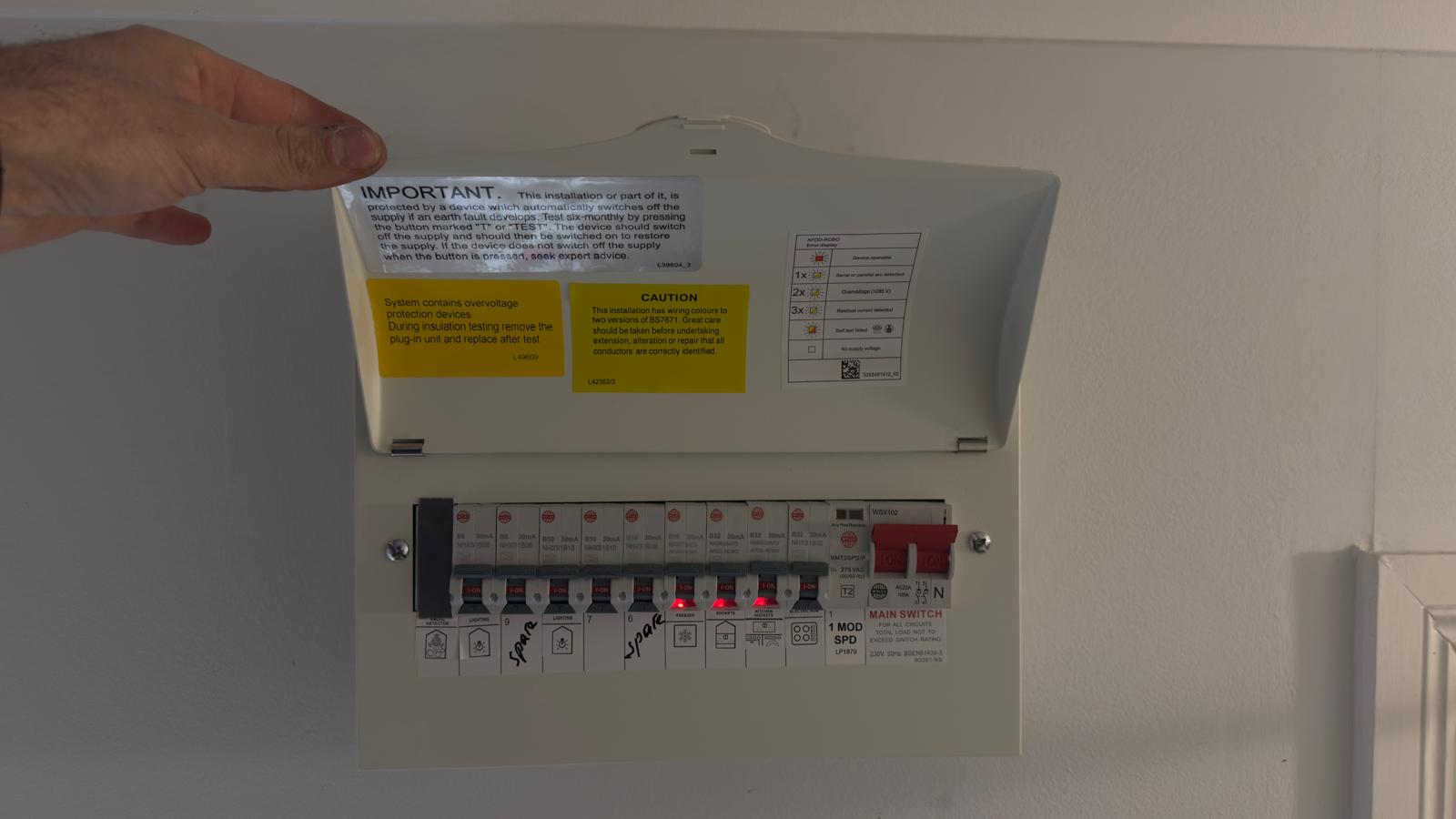
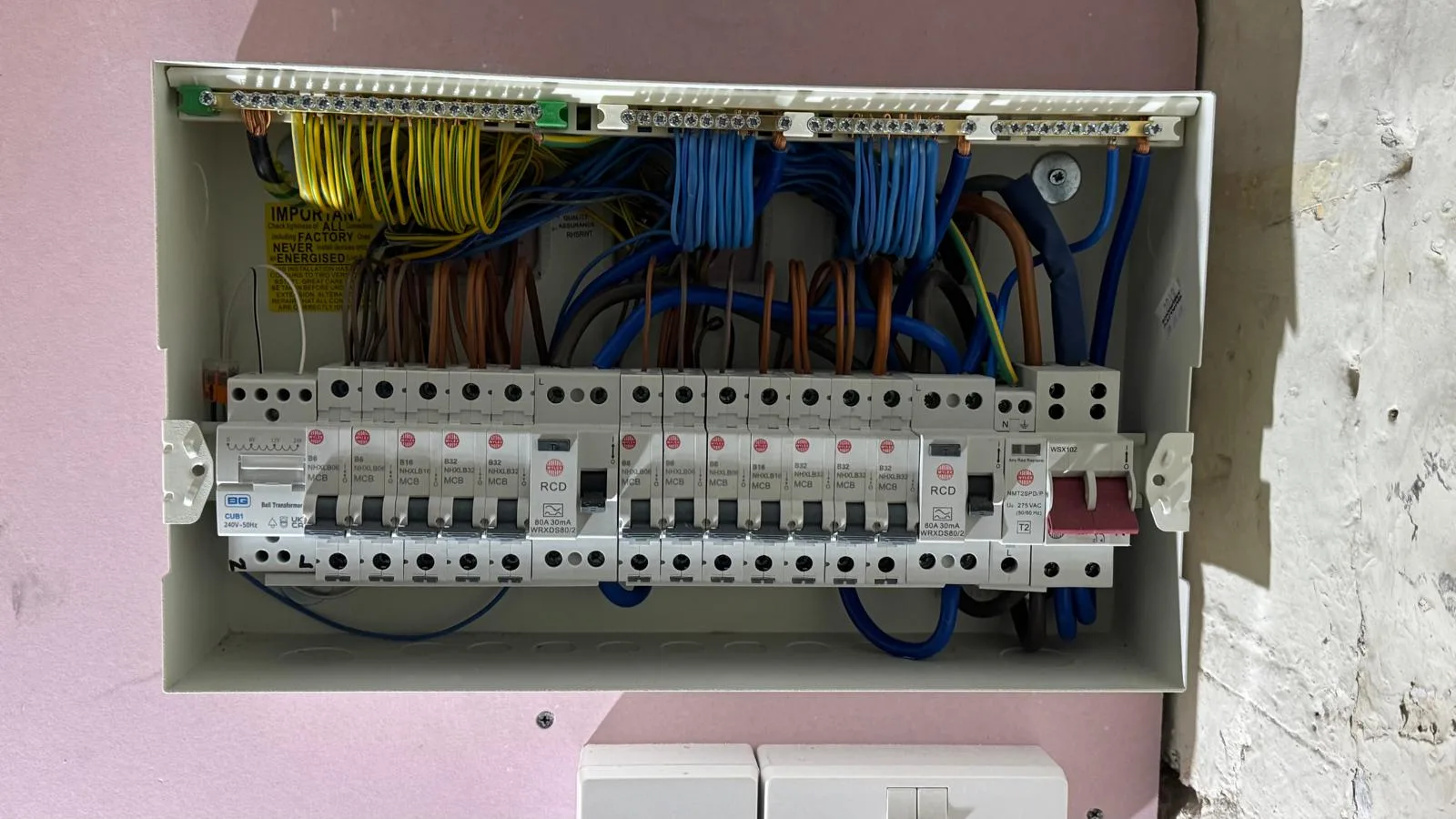
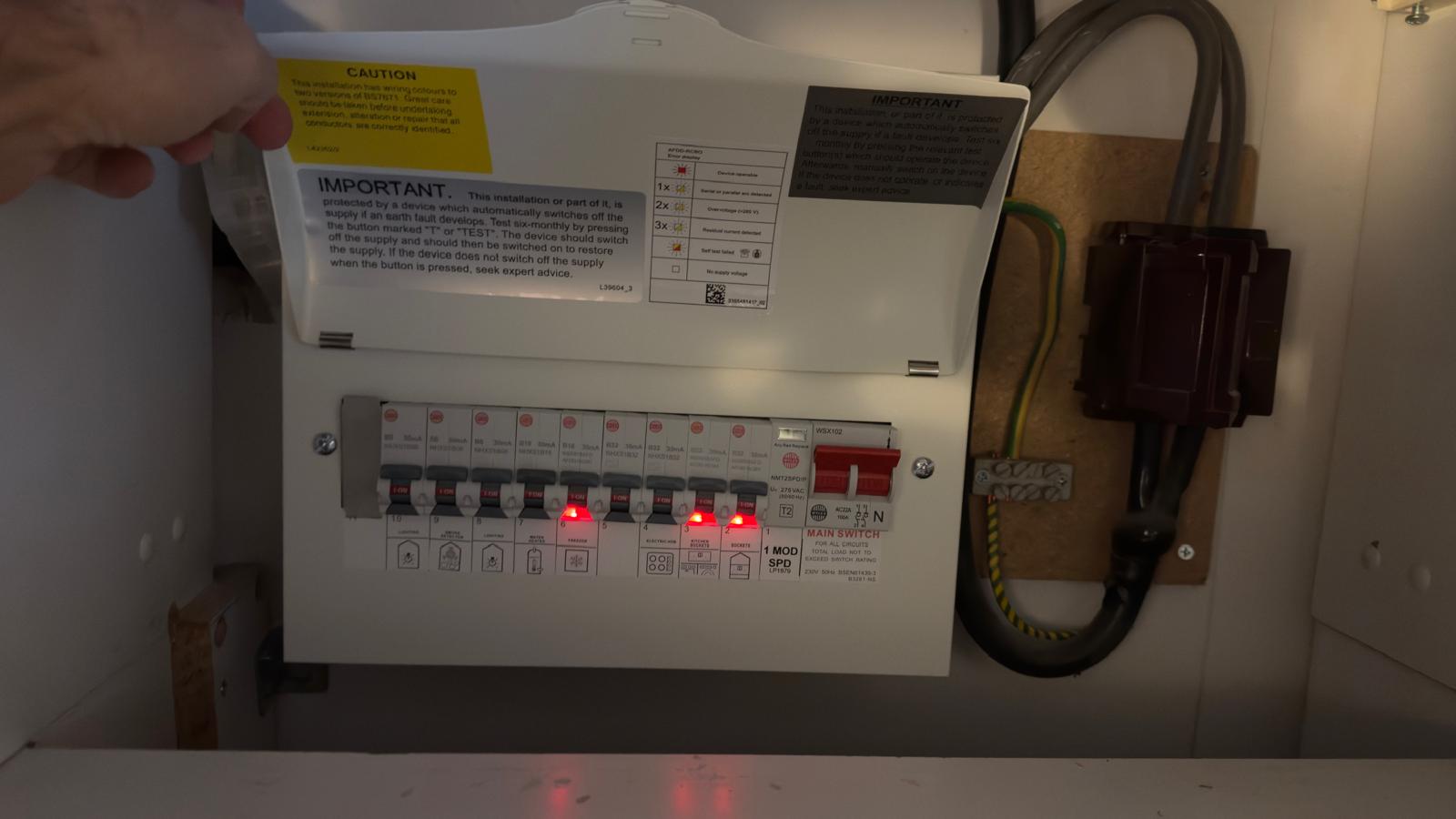
Completed modern consumer unit installation by AVAG Electrical
Completed consumer unit
Neatly arranged consumer unit circuit wiring by AVAG Electrical
Circuit wiring
Consumer unit inspection and testing by AVAG Electrical
Inspection and testing
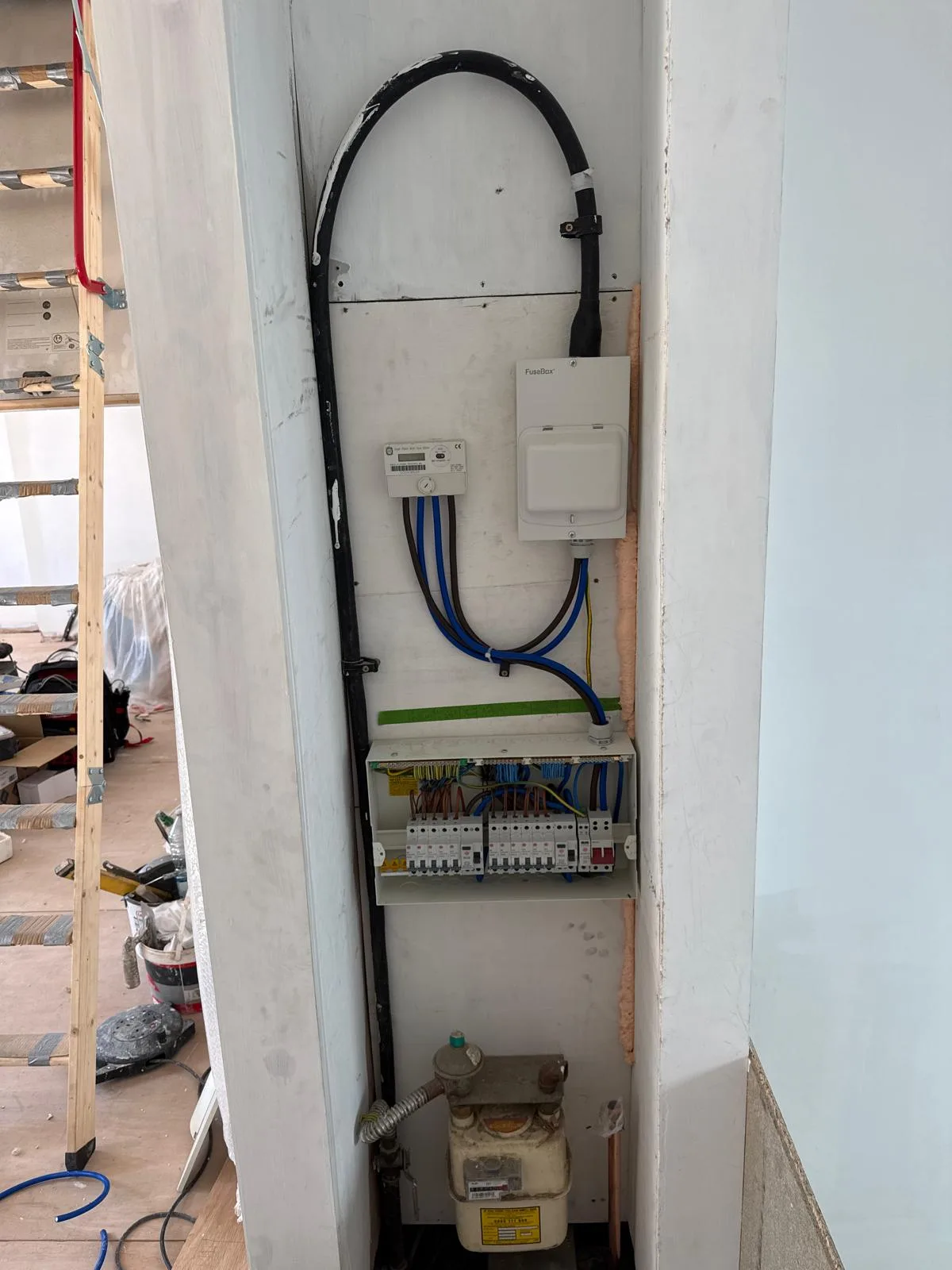
Consumer unit upgrade during installation by AVAG Electrical
Upgrade in progress

Price guidance

AVAG publishes a guide price from £595 for a straightforward replacement where the existing installation is suitable for reconnection. A full RCBO + SPD consumer unit is typically £650–£800 depending on circuit count, board size, access and the existing installation. All guide prices exclude VAT.

Planning and assessment

Earthing and protective bonding are part of the safety picture. New or altered work may depend on existing arrangements being adequate, so an electrician cannot responsibly ignore them where they are relevant to the proposed work. The relevant circuit protection has to suit the circuit and the work being carried out. RCD or RCBO protection, protective-device ratings and disconnection arrangements cannot be selected by appearance alone. Cable routes and conductor sizes need to match the design conditions. Concealed cables, thermal insulation, grouped circuits, long runs and the expected load can all influence what is suitable. Existing installations do not automatically have to be rebuilt simply because they were installed to an earlier standard. The important question is whether the relevant existing equipment and protective arrangements are safe and adequate for the current circumstances and any new work. Testing is not an optional finishing touch. Polarity, continuity, insulation resistance and other measurements or functional checks are selected to suit the work and installation so that the result is verified rather than assumed.

A typical consumer unit replacement enquiry in London starts with the postcode, property type and a short description of what you need. Photographs can be useful for an initial discussion, but they do not replace inspection or testing where the condition of the installation matters. AVAG then confirms whether the next step should be a quotation visit, a diagnostic attendance or a defined piece of work. Before starting, the scope and likely price are agreed. During the work, anything materially different from what was expected is explained before additional work is undertaken. On completion, the installation or alteration is checked and consumer unit replacement normally requires appropriate inspection, testing and an electrical installation certificate for the completed work.

Certification and records

Consumer unit replacement normally requires appropriate inspection, testing and an Electrical Installation Certificate for the completed work.

Choose your area

These are not duplicate doorway links: each local page contains its own property context, service planning, pricing guidance, FAQs and nearby-area links so users can browse the hierarchy by service and location.

Consumer units: practical considerations

A professional consumer unit replacement quotation should make the scope understandable. The customer should know whether inspection, testing, standard materials, certification and making-safe work are included, and which items are subject to further assessment. That is particularly important when existing wiring is concealed and its condition cannot be established from photographs.

Electrical work should be designed around current use and foreseeable demand. Kitchens, heating equipment, home offices, extensions, garden buildings and vehicle charging can materially change how a property uses electricity. Even when only one job is being carried out, considering future requirements can avoid unnecessary rework.

Standards change over time. An existing installation is not automatically dangerous because it was installed to an earlier edition, and a new-looking accessory is not proof that the circuit behind it is satisfactory. Inspection, testing and the circumstances of the proposed work are what allow a competent electrician to make a reasoned assessment.

Customers should keep electrical certificates and reports with the property records. They help future electricians understand alterations, provide evidence of work carried out and reduce uncertainty when the property is sold, let or renovated later.

Where a job uncovers an unexpected defect, the correct response is to explain the finding and agree the safe next step. Concealed damage, borrowed neutrals, poor previous alterations and inaccessible junctions are examples of conditions that may not be visible until testing or access begins.

Customer guide

What to know before booking

Practical information for planning electrical work without turning the website into DIY instructions.

How to prepare for the visit

Make the consumer unit and relevant work areas accessible where possible. If the fault is intermittent, note what was running and when the problem happened. For planned work, prepare a list of required points and priorities. Good information reduces guesswork and helps the electrician use site time effectively.

Comparing quotations properly

Compare what is included, not only the final number. Check whether testing, certification, labour assumptions and materials are identified. A quotation that appears cheaper may simply exclude work that another contractor has included from the outset.

What photographs can and cannot show

Photos can show the type of consumer unit, visible accessories, room layout and obvious damage. They cannot prove insulation resistance, continuity, polarity or the condition of concealed cables. Treat photographs as a scoping tool rather than a substitute for testing.

After the work

Keep the invoice, report or certificate with the property records. If labels or circuit schedules have been updated, avoid removing them. Clear records make later maintenance easier and give future electricians useful context.

Safety first

Do not remove covers, expose live parts or attempt mains electrical testing to collect information for a quotation. If there is smoke, heat, arcing or an immediate danger, isolate the supply only if it is safe to do so and seek urgent professional assistance.

Questions worth asking about consumer units

Ask what part of the existing installation the new work depends on, what testing will be carried out and which certificate or record will be supplied. Ask what assumptions the quotation makes about access and concealed wiring. These questions reveal far more about the quality of the proposed work than a list of product brands.

It is also reasonable to ask what happens if testing identifies an unrelated defect. A clear contractor will distinguish between work that is necessary to complete the agreed job safely and improvement work that can be considered separately.

Why property-specific assessment matters

Two properties of the same size can require different electrical work because circuit arrangements, earthing, previous alterations, access and intended use differ. That is why AVAG uses published guide prices where a service can sensibly be standardised and survey-based quotations where it cannot.

The goal is to give enough information for a customer to make a decision without pretending that a website can diagnose concealed electrical conditions.

Google Reviews

Trusted by customers across London.

We’re proud to be known for reliable service, quality workmanship and a friendly approach. Read customer feedback on Google or share your own experience with AVAG Electrical.

★★★★★
Customer reviews on Google
★★★★★
Quick, neat electric shower installation.
Kate SGoogle review
★★★★★
On time, clear explanations and professional.
MichaelGoogle review
★★★★★
Clean working, fast completion and no mess.
Firdavs / FredGoogle review

Tell AVAG what electrical work you need.

Send the postcode, property type, a short description and photographs where useful.

Call 07777 444 505 WhatsApp AVAG Electrical
Call AVAG Electrical WhatsApp AVAG Electrical